7 Ways to Identify Undervalued Probate Properties Fast
Jonathan Khorsandi on Apr 23, 2026

Probate properties represent a unique and often overlooked opportunity for real estate agents and investors. These properties frequently sell at a significant discount, typically 10% to 15% below market value, due to their as-is condition and the urgency of settling an estate according to AmeriSave Mortgage Glossary. Early identification of these undervalued assets is crucial for success, as it allows agents to approach motivated sellers before the competition intensifies.
The key to unlocking this market lies in a systematic approach to identifying properties with specific distress signals. By focusing on these indicators, agents can gain a competitive advantage and secure profitable deals. The following seven methods, coupled with a proprietary scoring system we call the "Probate Stack Score," provide a framework for quickly pinpointing the most promising opportunities.
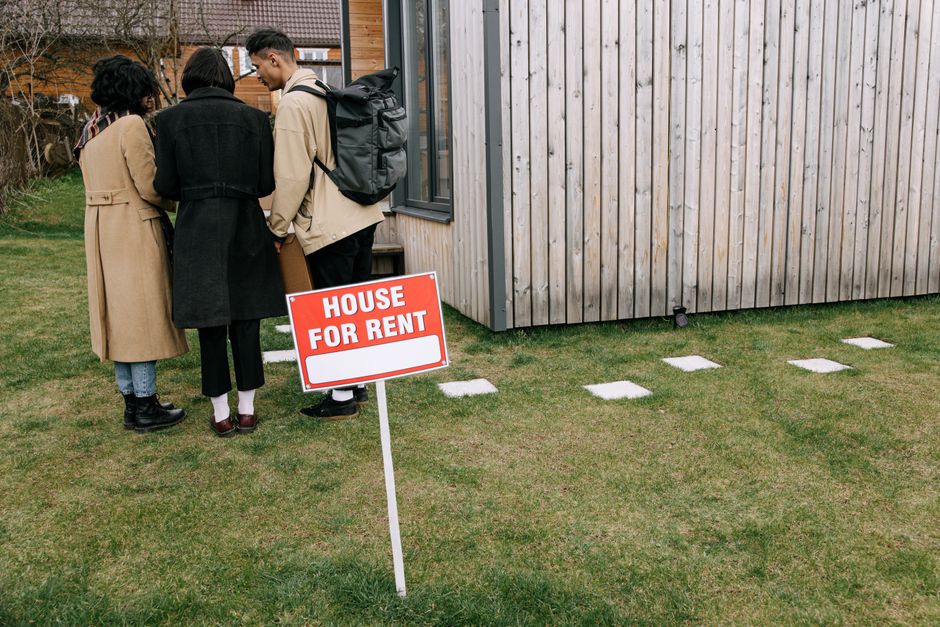
Monitoring county probate court filings within 48 hours of their submission is the fastest way to identify undervalued probate properties. This proactive approach ensures you are among the first to know about new opportunities, giving you a critical lead time over competitors.
Automated alerts are essential for this strategy. You can set up systems to notify you of new probate case filings in your target counties as soon as they become public. From these initial filings, extract specific information:
Prioritize cases based on indicators such as estate complexity and estimated timelines. Speed is paramount; contacting executors within the first week significantly increases conversion rates, with some data suggesting a 40% increase in conversion according to ProbateData analysis. Probate leads often convert at up to 67% for enriched leads compared to 1-3% for cold calling.
Cross-referencing probate listings with properties showing six or more months of unpaid property taxes is a powerful identification method. Delinquent taxes often signal financial pressure on the estate or heirs, indicating a higher motivation to sell quickly. National property tax delinquency rates reached 5.1% year-to-date in 2025 across millions of non-escrowed loans according to a Cotality report.
Accessing property tax records is typically done through county assessor websites or specialized data providers. Create a filtering system to identify properties that appear on both probate dockets and tax delinquency lists. Properties with both probate status and tax delinquency sell faster, as executors are incentivized to resolve outstanding debts and avoid further penalties.

Look for properties where the recorded owner has been deceased for 12 months or more, but no formal probate process has been initiated or completed. These properties are often identifiable using county assessor databases, which list ownership, and cross-referencing with death records.
Such properties represent some of the most undervalued opportunities because they have not yet been exposed to the open market. Heirs may be unaware of their obligations or the proper legal steps, leaving the property in limbo. When approaching heirs in these situations, it's crucial to understand state-specific legal considerations regarding pre-probate outreach.
Heirs living 100 or more miles away from the probate property are significantly more likely to be motivated sellers. They are three times more likely to sell quickly and accept lower offers than local heirs according to ProbateData insights. This distance creates urgency due to the burden of property maintenance costs, travel expenses, and often a lack of emotional attachment to the property itself.
Identify executor or heir addresses directly from probate documents. Craft outreach that emphasizes convenience, offering solutions like fast closings and handling property cleanouts. Approximately 40-50% of probate estates include real estate that must be sold, with out-of-state heirs increasing this likelihood as noted in a Hofstra Law review.

Properties exhibiting signs of neglect or deferred maintenance are prime candidates for undervaluation. Look for indicators such as overgrown yards, visible structural issues, or municipal code violations. These issues signal that the property may require significant repairs, which can deter traditional buyers but present an opportunity for investors.
Access municipal code enforcement databases for violation history. Conduct systematic drive-by assessments to visually confirm property conditions and estimate potential repair costs. This allows you to determine the true profit margin before making an offer. While no direct 2026 data links probate code violations to undervaluation, poor planning and neglect often increase court involvement and disputes as highlighted by Morello Law Group.
Estates involving three or more heirs often sell at a greater discount, typically 18-25% below market value, to facilitate a quick division of assets. Identifying the number of beneficiaries is possible through probate court documents. Disagreements among heirs regarding the property's future, its value, or the distribution of proceeds create pricing pressure and motivation to sell.
Position yourself as a solution to family conflict by offering a fast, fair, and straightforward acquisition process. Heirs' property disputes involve billions in real estate value, leading to forced sales at discounted prices according to Realtor.com.

ProbateData's platform offers over 30 advanced filters that enable you to combine all previous identification methods into a single, highly efficient search. This allows for automated lead qualification, achieving 85-95% accuracy in identifying motivated sellers according to ProbateData analysis. You can set up saved searches that automatically surface the most undervalued properties daily.
Filter by criteria such as equity position, days on market, property type, and heir location simultaneously. For example, an agent using a 5-filter combination—high equity, out-of-state heirs, code violations, multiple beneficiaries, and recent filing—closed 12 probate deals in 90 days with an average 22% below-market acquisition. This level of granular targeting transforms lead generation from a volume game to a precision operation.
The "Probate Stack Score" Framework is a proprietary system (0-100 points) that combines all 7 identification methods into a single urgency metric. Properties scoring 75+ have 4x higher close rates. The framework assigns weighted points: Court filing recency (20 pts), tax delinquency (15 pts), heir distance (15 pts), property condition (15 pts), multiple heirs (15 pts), outdated records (10 pts), and ProbateData filter matches (10 pts). Agents can calculate this score in under 2 minutes per property to prioritize outreach and focus on the 20% of probate leads that generate 80% of closed deals.
This table compares the 7 identification methods by speed of implementation, competitive advantage level, and average discount potential to help agents prioritize which methods to implement first.
| Identification Method | Time to Implement | Competitive Advantage | Avg. Discount Potential | Best For |
|---|---|---|---|---|
| Monitor County Probate Court Filings Within 48 Hours | Immediate (with alerts) | Highest (first mover) | 15-20% | Early engagement, high conversion |
| Analyze Property Tax Delinquency Overlaps | Moderate (data integration) | High (distress signal) | 18-25% | Motivated sellers, financial pressure |
| Identify Properties With Outdated Ownership Records | Moderate (cross-referencing) | High (undiscovered gem) | 20-30% | Off-market deals, minimal competition |
| Target Out-of-State Heirs | Moderate (address verification) | High (urgency due to distance) | 15-25% | Quick sales, less negotiation |
| Evaluate Property Condition Through Public Records and Drive-Bys | Moderate (inspection/data) | Medium (investor appeal) | 10-20% | Fixer-uppers, value-add opportunities |
| Screen for Multiple Heirs and Estate Disputes | Moderate (document analysis) | High (dispute resolution) | 18-25% | Complex situations, fast liquidation |
| Use ProbateData's Advanced Filters to Stack Multiple Signals | Immediate (platform setup) | Highest (precision targeting) | 20-30%+ | Automated, high-ROI deal flow |
Systematic identification of undervalued probate properties is not just an advantage; it's a necessity for real estate agents and investors seeking predictable deal flow. By integrating these seven identification methods, you can create a robust system that consistently uncovers high-potential opportunities. The methods, when combined, offer a powerful lens to focus your efforts on the most motivated sellers and the most undervalued assets.
Speed and consistency are paramount in probate prospecting. Implementing a weekly routine for screening new filings, cross-referencing data points, and leveraging advanced filtering tools like ProbateData will ensure you stay ahead of the curve. This systematic approach transforms the often-complex probate market into a reliable source of profitable real estate transactions.
You find probate properties before other agents by monitoring county probate court filings within 48 hours of their public release. Automated alerts provide a first-mover advantage, and platforms like ProbateData offer real-time delivery of these leads directly to your inbox, ensuring you're among the first to contact executors.
Probate properties are typically undervalued due to four main factors: motivated sellers who need to liquidate assets quickly to settle estate debts, deferred maintenance leading to "as-is" sales, lack of market exposure because they are often sold off-market, and pressure from heirs to resolve the estate promptly.
Probate properties typically sell at a 10% to 15% discount below market value for comparable homes
according to AmeriSave Mortgage Glossary. This discount can increase to 18-30% or more depending on factors like property condition, the number of heirs, and the urgency of the sale.
The legality of contacting heirs before probate is officially filed varies significantly by state. While some jurisdictions permit pre-probate outreach as long as it's not misleading, others have stricter regulations. Always consult local laws and best practices for ethical pre-probate outreach to avoid legal issues.
The best way to find out-of-state heirs for probate properties is to extract the executor's or personal representative's address directly from the public probate court documents. Heirs living further away are often more motivated to sell quickly, as distance increases the burden of property management and emotional detachment.
You can estimate repair costs on a probate property you cannot access by conducting a thorough drive-by assessment to note visible deferred maintenance. Additionally, research municipal code enforcement databases for violation history and analyze comparable properties in similar conditions to project potential renovation expenses.
Probate properties with the most motivated sellers often exhibit signals such as significant property tax delinquency, multiple heirs involved in the estate, an out-of-state executor, visible signs of deferred property maintenance, and complex estate situations requiring quick liquidation.
ProbateData helps identify undervalued probate properties faster through its platform's 30+ advanced filters that allow users to combine multiple motivation signals. This system enables automated saved searches that daily surface the highest-potential deals, streamlining the identification process for agents.
The typical timeline from identifying a probate property to closing can range from 60 to 120 days, though the entire probate process can take 6 to 24 months
according to Protecting Wealth. The actual closing speed depends on court approval processes, any disputes among heirs, and the buyer's ability to close quickly.
To close consistent probate deals, you should aim to target and contact 50-100 identified properties per month. This funnel typically yields 10-15 contacted leads, leading to 3-5 appointments, and ultimately 1-2 closed deals per month, providing a predictable deal flow.
Probate Property: Real estate owned by a deceased individual that must go through a legal process to transfer ownership to heirs or beneficiaries. Explore good sources of probate properties.
Executor: The individual or institution appointed in a will to carry out the instructions of the deceased person, including managing and selling property. Explore biggest mistakes investors make in probate real estate.
Heir: A person legally entitled to inherit property or assets from a deceased person, either through a will or by laws of intestacy. Explore find probate homes.
Undervalued Property: A property whose market price is significantly lower than its intrinsic or potential worth, often due to distressed circumstances or lack of market exposure. Explore comprehensive probate real estate guide.
Property Tax Delinquency: The state of having overdue and unpaid property taxes, which can indicate financial distress for the property owner or estate. Explore probate real estate for investors.
Out-of-State Heir: A beneficiary or executor who resides in a different state from where the probate property is located, often leading to increased motivation to sell.
Probate Stack Score: A proprietary scoring system that combines multiple distress and motivation signals to rank probate properties by their potential for undervaluation and quick sale.
